All posts by James Hunt

QOF 2026/27 Changes: The Complete Practice Manager Guide to New Indicators (DM037, HF009, OB004, OB005, CD001, CD002)

Quick answer: QOF 2026/27 introduces six new or significantly changed indicators that Practice Managers must prepare for now. DM037 requires all 8 NICE diabetes care processes per patient, HF009 mandates 4-pillar heart failure therapy, OB004 and OB005 replace the Weight Management Enhanced Service with 18 new obesity points, and CD001/CD002 consolidate cardiovascular blood pressure control with a new frailty coding dependency. Vaccination indicators (VI001, VI002, VI003) now include the MMRV vaccine and offer improvement thresholds that reward gains from each practice’s own baseline.

If you are a Practice Manager, QOF Lead, or GP Partner looking for a clear, actionable summary of what is changing in the 2026/27 Quality and Outcomes Framework, this guide walks you through every new indicator, the point values at stake, and the exact register audits you should be running this week.

What is changing in QOF 2026/27?

The QOF 2026/27 framework introduces six new or significantly restructured indicators alongside point reallocations across the existing framework. The headline changes are:

  1. DM037 replaces DM012 and demands all 8 NICE diabetes care processes annually
  2. HF009 replaces HF003 and HF006, requiring 4-pillar heart failure therapy for HFrEF patients
  3. OB004 and OB005 are brand new obesity indicators worth 18 points combined
  4. CD001 and CD002 consolidate four older indicators (CHD015, CHD016, STIA014, STIA015) into a single blood pressure framework with frailty exclusions
  5. VI001, VI002, VI003 add the MMRV vaccine and introduce improvement thresholds
  6. CHOL003 drops from 38 to 20 points, while DM034 and DM035 statin indicators both rise to 8 points each

The total QOF point value for 2026/27 is £227.95, a 1.1% increase from the previous year, although list size adjustments mean the cash value per practice is broadly unchanged.

QOF 2026/27 new indicators at a glance

Indicator What it measures Thresholds Points Replaces
DM037 All 8 NICE diabetes care processes delivered annually 40 to 90% 10 DM012
HF009 4-pillar therapy in heart failure with reduced ejection fraction 20 to 50% 12 HF003, HF006
OB004 Referral to weight management for adults with obesity 10 to 30% 5 Weight Management Enhanced Service
OB005 Shared decision-making and pharmacotherapy for obesity 50 to 80% 13 Weight Management Enhanced Service
CD001 Blood pressure control, age 79 or under, no frailty 40 to 90% 41 CHD015, CHD016, STIA014, STIA015
CD002 Blood pressure control, age 79 or under, no frailty (second threshold) 46 to 90% 20 As above

DM037 explained: the 8 diabetes care processes

DM037 is the indicator most likely to catch unprepared practices out. It requires delivery of all 8 NICE-recommended care processes for patients with Type 2 diabetes, drawn from NICE guideline NG28 and tracked by the National Diabetes Audit.

The 8 NICE diabetes care processes

  1. HbA1c measurement
  2. Blood pressure measurement
  3. Serum cholesterol measurement
  4. Serum creatinine and eGFR
  5. Urine albumin-to-creatinine ratio (ACR)
  6. Foot examination
  7. BMI or weight measurement
  8. Smoking status recording

This is an all-or-nothing indicator. A patient who receives 7 out of 8 care processes does not count toward your numerator. Only patients completing the full set contribute.

National Diabetes Audit data shows that only around 50 to 55% of Type 2 diabetes patients currently receive all 8 processes. The most commonly missed are urine ACR testing and foot examination, both of which require dedicated appointment actions rather than a single blood draw.

Note that retinal screening is the ninth process tracked by the National Diabetes Audit but is delivered by the national screening programme, not by GP practices. It is not included in DM037.

What Practice Managers should do now for DM037

  • Run a search for all diabetic patients missing any of the 8 processes in the last 12 months
  • Identify the specific gaps, with urine ACR and foot checks typically the largest
  • Ensure your annual diabetes review template captures all 8 processes with extractable SNOMED codes
  • Build recall workflows that batch patients by missing process, not by appointment type

HF009 explained: the 4 pillars of heart failure therapy

NICE indicator specification IND317, published in November 2025, maps directly to HF009. The indicator covers patients with heart failure and reduced ejection fraction (HFrEF, defined as left ventricular ejection fraction of 40% or less).

The 4 pillars of HFrEF treatment

  1. ACE inhibitor, ARB, or ARNI (sacubitril-valsartan)
  2. Beta-blocker licensed for heart failure (bisoprolol, carvedilol, or nebivolol)
  3. Mineralocorticoid receptor antagonist (spironolactone or eplerenone)
  4. SGLT2 inhibitor (dapagliflozin or empagliflozin)

National data suggests only around 15% of HFrEF patients are currently on all four pillars, which is why the upper threshold has been set at a deliberately achievable 50%. The most commonly missing pillar is the SGLT2 inhibitor, since many patients were stabilised on three drugs before SGLT2 inhibitors entered NICE guidance.

What Practice Managers should do now for HF009

  • Search the heart failure register for patients coded with HFrEF specifically
  • For each patient, audit how many pillars they are currently prescribed
  • Identify patients on 2 or 3 pillars who could be optimised with the addition of a missing class
  • Assign the work to your clinical pharmacist or PCN pharmacist as a lead role
  • Document any contraindications or intolerances clearly so exception reporting is available

OB004 and OB005 explained: the new obesity indicators

OB004 and OB005 mark the return of obesity to QOF after a one-year gap, replacing the retired Weight Management Enhanced Service. Together they are worth 18 points.

OB004: referral to weight management

OB004 is worth 5 points with thresholds of 10 to 30%. It requires that eligible adults with obesity are offered a referral to a structured weight management programme (Tier 2 community lifestyle services or Tier 3 specialist multidisciplinary services) within 90 days of the BMI being recorded.

NICE guideline NG246 sets the referral criteria, including ethnicity-adjusted BMI thresholds:

  • BMI of 30 or above for most adults
  • BMI of 27.5 or above for people of South Asian, Chinese, other Asian, Middle Eastern, Black African, or African-Caribbean family background

OB005: shared decision-making and pharmacotherapy

OB005 is worth 13 points with thresholds of 50 to 80%. It covers shared decision-making conversations and pharmacotherapy for obesity, including NICE-approved medications such as orlistat, liraglutide (Saxenda), semaglutide (Wegovy), and tirzepatide (Mounjaro).

A key open question for Practice Managers is whether OB005 requires an actual prescription or whether a documented shared decision-making conversation (including a mutual decision not to prescribe) is sufficient. The business rules will clarify this, but the achievability gap between those two interpretations is significant.

What Practice Managers should do now for OB004 and OB005

  • Identify your obesity register using both standard and ethnicity-adjusted BMI thresholds
  • Map local Tier 2 and Tier 3 weight management referral pathways
  • Audit current obesity pharmacotherapy prescribing to identify eligible but untreated patients
  • Build a shared decision-making consultation template that records decisions in extractable form
  • Compare your 2025/26 Weight Management Enhanced Service income with realistic OB004/OB005 projections

CD001 and CD002 explained: consolidated blood pressure control

CD001 (41 points) and CD002 (20 points) replace four older indicators (CHD015, CHD016, STIA014, STIA015), consolidating cardiovascular blood pressure control into a simpler structure. Both apply to patients aged 79 or under without moderate or severe frailty.

Why frailty coding now matters more than ever

The exact frailty definition is expected to align with the Electronic Frailty Index (eFI):

  • Fit: eFI 0 to 0.12
  • Mild frailty: 0.13 to 0.24
  • Moderate frailty: 0.25 to 0.36
  • Severe frailty: above 0.36

Patients with moderate or severe frailty will be excluded from CD001 and CD002, which means poor frailty coding will lose you points in two ways: it includes patients who should be excluded, and it pushes your overall achievement rate down.

What Practice Managers should do now for CD001 and CD002

  • Run your eFI calculation if your clinical system supports it
  • Audit how many patients on your cardiovascular registers have frailty status coded
  • Prioritise frailty coding for patients aged 65 and over on CVD registers
  • Brief clinicians that frailty coding is now a QOF income driver, not just a clinical record

Vaccination improvement thresholds: a new mechanism for low-uptake areas

The childhood vaccination indicators (VI001, VI002, VI003) now include the MMRV vaccine (measles, mumps, rubella, varicella) and introduce a second route to points based on improvement from your own 2-year baseline.

From 2026/27, practices earn points through whichever route is higher:

  • The traditional achievement thresholds (89 to 96%, 86 to 96%, 81 to 96%), or
  • A sliding scale starting 5 percentage points above your practice’s 2-year average

For VI001, the improvement upper threshold is 18 percentage points above baseline. For VI002 it is 23 percentage points. For VI003 it is 30 percentage points.

This is particularly valuable for practices in London and other areas with historically low uptake, where the standard thresholds have been effectively unreachable.

What Practice Managers should do now for vaccinations

  • Pull your 2-year vaccination averages for VI001, VI002, and VI003
  • Calculate your improvement thresholds
  • If the improvement route offers a realistic path that the standard route does not, build a targeted vaccination improvement plan

Other QOF 2026/27 changes Practice Managers need to model

Beyond the new indicators, several existing indicators have changed point allocations:

  • CHOL003 drops from 38 to 20 points — a meaningful income reduction for practices that were achieving well
  • DM034 (primary prevention statin use) rises from 4 to 8 points
  • DM035 (secondary prevention statin use) rises from 2 to 8 points
  • NDH003 rises from 18 to 20 points and now includes women with previous gestational diabetes
  • AF006 upper threshold increases from 90% to 95%
  • STIA007 adds ticagrelor to the antiplatelet medication list
  • Asthma register now includes patients from age 5
  • COPD register business rules are updated to address under and over-recording identified by audit

QOF 2026/27 preparation checklist for Practice Managers

When Action
This week Run register audits: diabetes (8 processes), heart failure (4 pillars), obesity (BMI register), frailty coding
This week Identify gaps in diabetes care processes, focusing on urine ACR and foot examination
This month Review HFrEF patients for 4-pillar optimisation with your clinical pharmacist
This month Map local weight management referral pathways (Tier 2 and Tier 3)
This month Calculate vaccination 2-year baselines for VI001, VI002, VI003
This month Model CHOL003 point reduction impact on your practice income
Ongoing Update clinical system templates when your supplier releases the QOF v51 update
From April Begin coding to the new indicators from day one of the contract year

Frequently asked questions about QOF 2026/27

When does QOF 2026/27 start?

QOF 2026/27 runs from 1 April 2026 to 31 March 2027. Coding against the new indicators should begin from the first day of the contract year.

What is the value of a QOF point in 2026/27?

The value of a QOF point in 2026/27 is £227.95, a 1.1% increase on the previous year. The Contractor Population Index is used to weight this against your registered list size.

How many new QOF indicators are there in 2026/27?

There are six new or significantly restructured QOF indicators in 2026/27: DM037, HF009, OB004, OB005, CD001, and CD002. The three childhood vaccination indicators (VI001, VI002, VI003) have also been updated with MMRV inclusion and improvement thresholds.

What is DM037 in QOF?

DM037 is a new diabetes indicator worth 10 points that requires delivery of all 8 NICE-recommended diabetes care processes (HbA1c, blood pressure, cholesterol, eGFR, urine ACR, foot examination, BMI, and smoking status) to each Type 2 diabetes patient within the QOF year. It is an all-or-nothing indicator.

What does HF009 require?

HF009 requires patients with heart failure and reduced ejection fraction (HFrEF) to be prescribed all 4 pillars of disease-modifying therapy: an ACE inhibitor, ARB or ARNI; a heart failure beta-blocker; a mineralocorticoid receptor antagonist; and an SGLT2 inhibitor. It is worth 12 points with thresholds of 20 to 50%.

Are OB004 and OB005 replacing the Weight Management Enhanced Service?

Yes. The Weight Management Enhanced Service is retired in 2026/27. OB004 (5 points) covers referral to structured weight management, and OB005 (13 points) covers shared decision-making and pharmacotherapy. Whether your practice is financially better or worse off depends on your historical referral volume.

How do the new vaccination improvement thresholds work?

VI001, VI002, and VI003 now offer two routes to points: the traditional achievement thresholds, or a new improvement route that starts 5 percentage points above your practice’s 2-year baseline uptake. Practices receive whichever allocation is higher at year-end.

The bottom line for Practice Managers

The clinical definitions behind every new QOF 2026/27 indicator are already published in NICE guidance. Practices that wait for the v51 business rules and clinical system template updates before starting their register audits will lose 6 weeks of preparation time. The Practice Managers who win in 2026/27 will be those who treat QOF preparation as a year-round data quality and recall planning exercise, not an April rush.

Start with the four register audits listed in the checklist above. Brief your clinical team on the four highest-stakes changes (DM037, HF009, the obesity indicators, and frailty coding for CD001/CD002). Model your projected income against the point reallocations. The work is the same whether the business rules drop tomorrow or in March.

Primary NHS England sources
NHS England — Changes to the GP Contract in 2026/27 (24 February 2026 letter)
NHS England — 2026/27 QOF guidance
NHS England — Statement of Financial Entitlements Directions
NICE clinical guidance
NICE NG28 — Type 2 diabetes in adults: management
NICE NG106 — Chronic heart failure in adults: diagnosis and management
NICE IND317 — Heart failure 4-pillar therapy indicator specification
NICE NG246 — Overweight and obesity management
NICE TA875 — Semaglutide (Wegovy) for managing overweight and obesity
NICE TA1026 — Tirzepatide for managing overweight and obesity
NICE TA664 — Liraglutide (Saxenda) for managing overweight and obesity
NICE TA235 — Orlistat for the treatment of obesity
Audit and data sources
National Diabetes Audit (NHS England)
Electronic Frailty Index (eFI) — Clegg et al., Age and Ageing 2016
Secondary commentary
Queen Mary University of London CEG — QOF 2026/27 changes: what we know so far (PDF)
Management in Practice — Making the most of QOF 2026/27, by Dr Gavin Jamie
Practice Index — A practical view of the QOF 26/27 changes, by Ceri Gardener
Practice Index — 2025/26 QOF summary
Londonwide LMCs — Initial response and analysis: GMS Contract changes 2026/27
Insight Solutions — QOF 2026/27 summary


This article is for informational purposes only and reflects QOF 2026/27 guidance as published. Practices should refer to the latest official NHS England contract documents and v51 QOF business rules when these are released.


Read More

Gut Check: How Your Intestinal Bacteria Could Secretly Be Causing Heart Disease

Heart disease remains the leading cause of death globally. Despite advancements in understanding risk factors like high cholesterol and blood pressure, a groundbreaking discovery from Spanish researchers at the National Center for Cardiovascular Research (CNIC) in Madrid has unveiled an unexpected villain: your gut bacteria.

Fifteen years ago, researchers set out to study thousands of Banco Santander employees, hoping to unlock the mysteries behind cardiovascular disease. The results, recently published in the prestigious scientific journal Nature, uncovered a startling link. Scientists found that certain gut bacteria produce a molecule called imidazole propionate (C₆H₈N₂O₂), which directly causes atherosclerosis—the dangerous buildup of fat and cholesterol in arteries that leads to heart attacks and strokes.

A Silent Threat: Widespread Hidden Disease

The comprehensive study involved detailed medical imaging (using CAT and PET scans) of apparently healthy volunteers aged between 40 and 55. Shockingly, 63% showed signs of early-stage atherosclerosis. The culprit behind these hidden dangers turned out to be imidazole propionate, a molecule released by certain gut microbes, including strains from Escherichia, Shigella, and Eubacterium.

This molecule, researchers found, doesn’t just correlate with heart disease—it actively triggers it. Imidazole propionate enters the bloodstream, stimulates inflammation in arteries, and initiates the formation of fatty plaques.

From Molecule to Disease: Confirming the Link

Lead scientist David Sancho explains, “Imidazole propionate induces atherosclerosis on its own. There’s a causal relationship.” Experiments in mice confirmed the findings: animals exposed to the molecule rapidly developed artery-clogging plaques. Crucially, these effects occurred even in mice without elevated cholesterol levels, highlighting a previously unknown inflammatory and autoimmune component of heart disease.

Moreover, approximately one in five human volunteers with active, dangerous forms of atherosclerosis showed elevated levels of imidazole propionate, strengthening the real-world relevance of these findings.

Prevention and New Treatment Possibilities

Thankfully, the discovery isn’t all bad news. Scientists also identified how imidazole propionate interacts with our cells, paving the way for potential treatments. By blocking the molecule’s receptor with an experimental drug, researchers completely prevented disease progression in mice—even on a high-cholesterol diet.

This promising development offers hope for preventing heart disease in humans by targeting gut bacteria directly. Dietary changes also appear beneficial: individuals consuming diets rich in vegetables, fruits, whole grains, fish, and low-fat dairy showed lower imidazole propionate levels.

Broader Implications: Beyond Cholesterol

Swedish biologist Fredrik Bäckhed previously linked high imidazole propionate levels with type 2 diabetes, reinforcing the broader health impact of gut microbes. Independent research from Ruhr University Bochum recently validated these cardiovascular findings, further underscoring their significance.

The research suggests that heart disease isn’t solely driven by traditional factors like cholesterol. Instead, our gut bacteria might silently orchestrate damage even in those who appear healthy.

Future Steps and Continued Research

While the current findings are groundbreaking, further research is essential to pinpoint specific bacterial strains responsible for producing imidazole propionate. Still, scientists are optimistic about the potential to revolutionize heart disease prevention, diagnosis, and treatment.

This groundbreaking study, made possible by thousands of volunteers and significant funding from institutions like the “la Caixa” Foundation and the European Research Council, marks a pivotal moment in cardiovascular medicine. Understanding and managing our gut microbiome could soon become as routine as checking cholesterol levels.

Your gut health might just hold the key to a healthier heart.

References

Sancho, D., Mastrangelo, A., Robles, I., Fuster, V., et al. (2025). Gut microbiota–derived imidazole propionate drives atherosclerosis. Nature. https://www.nature.com/articles/s41586-025-09263-w

Read More

CHOL003 and CHOL004 Explained: The New QOF Cholesterol Indicators for 2024/25 and 2025/26

CHOL001 and CHOL002 are no longer in the Quality and Outcomes Framework. From April 2024 they were replaced by CHOL003 and CHOL004, and for 2025/26 these two indicators became some of the highest-point earners in the entire QOF. Between them they now carry 82 points, more than any other clinical area in the framework.

This post is a clean reference for UK general practice teams: what the indicators measure, the new LDL and non-HDL thresholds, points and payment thresholds, exception reporting rules, and the small but important changes that landed for 2025/26.

(If you previously read our 2023/24 cholesterol indicators post on CHOL001 and CHOL002, this post replaces it for current practice.)


Quick summary

Indicator What it measures 2024/25 points 2025/26 points Thresholds 2025/26
CHOL003 Statin (or alternative) prescribing in CVD/CKD 14 38 70%-95%
CHOL004 LDL ≤2.0 mmol/L (or non-HDL ≤2.6 mmol/L) in established CVD 16 44 20%-50%

The headline change is the points uplift. CHOL004 alone is worth 44 points in 2025/26, up from 16. That makes cholesterol target achievement the single most valuable clinical indicator in QOF.


What changed when CHOL001 became CHOL003

The wording of the statin-prescribing indicator was kept almost identical when CHOL001 was renumbered to CHOL003 for 2024/25. The register population is the same: patients on the CHD, PAD, Stroke/TIA or CKD registers. Patients with diabetes on these registers are still excluded (they sit under DM034/DM035 instead).

The substantive 2025/26 change is small but worth knowing:

  • Icosapent ethyl was removed from the list of acceptable alternative lipid-lowering therapies. Bempedoic acid, ezetimibe, inclisiran and PCSK9 inhibitors remain valid alternatives where a statin is declined or unsuitable, but only where there is a documented adverse reaction to a statin.

Everything else in CHOL003 carries over from CHOL001:

  • Patients on the palliative care register are excepted.
  • Codes for maximum tolerated lipid-lowering therapy, adverse reaction, not indicated/contraindicated or declined trigger personalised care adjustments (PCA).
  • Patients registered in the last three months of the QOF year are excepted.
  • Two invites at least seven days apart can also trigger an exception.

What changed when CHOL002 became CHOL004, and why it matters more

CHOL004 is the indicator that needs careful attention because the rules have meaningfully shifted.

1. LDL is now the primary measurement

In 2023/24, CHOL002 looked for non-HDL first, and only if that wasn’t recorded would it check LDL. From 2024/25, CHOL004 reverses this: LDL is the primary test, and non-HDL is only checked if no LDL reading exists. For 2025/26 the wording clarifies that if multiple readings exist on the latest date, LDL takes priority.

This is the change most likely to catch practices out. If your local lab still reports non-HDL as a default and your templates don’t prompt for LDL, you may have patients with non-HDL at target who fall outside the indicator because LDL was never requested.

2. The thresholds have been raised

Measurement 2023/24 (CHOL002) 2024/25 onwards (CHOL004)
LDL cholesterol <1.8 mmol/L (exclusive) ≤2.0 mmol/L (inclusive)
Non-HDL cholesterol <2.5 mmol/L (exclusive) ≤2.6 mmol/L (inclusive)

The shift from exclusive to inclusive matters: a patient on exactly 2.0 mmol/L LDL now passes. This is a slightly easier indicator to achieve in clinical practice, although the upper payment threshold also rose for 2025/26.

3. Payment thresholds have moved

CHOL004 in 2024/25 had a lower threshold of 20% and an upper threshold of 35%. For 2025/26 the upper threshold has been raised to 50%, with 20% still the lower bound. Coupled with the rise from 16 to 44 points, this is where the real income shift is.

4. Exception reporting expanded

For 2024/25 onwards, exception reports that previously only applied to CHOL003 (statin prescribing) now also apply to CHOL004 (cholesterol target). This was a significant relaxation. Practices can now exception-report CHOL004 patients for:

  • Declining a cholesterol blood test (with the correct code).
  • Invites: two invites at least seven days apart, with the most recent invite after the latest cholesterol blood test. This is in line with HYP008 and DM020.
  • Patients with a haemorrhagic stroke, who are now automatically excluded from both cholesterol indicators.
  • Patients on maximum tolerated lipid-lowering therapy.
  • Adverse reaction codes, not-indicated codes, and informed dissent.
  • Registration in the last three months of the QOF year.

The combination of higher thresholds plus broader exception reporting is intended to make CHOL004 genuinely achievable rather than aspirational.


Register populations: who counts for which indicator

This is the part that still trips practices up.

CHOL003 register (statin prescribing):

  • CHD
  • PAD
  • Stroke/TIA
  • CKD (stage 3-5)
  • Excludes patients aged 17+ with diabetes (covered by DM034/DM035)

CHOL004 register (cholesterol target):

  • CHD
  • PAD
  • Stroke/TIA
  • Excludes CKD
  • Includes patients with diabetes or on the palliative care register if they are also on the CHD, PAD or Stroke/TIA register

So a patient with CKD alone is in scope for CHOL003 but not CHOL004. A patient with diabetes and CHD is excluded from CHOL003 but included in CHOL004. The populations overlap but they are not the same set.


Practical workflow for hitting the new thresholds

The CHOL004 uplift to 44 points changes the maths for the whole practice year. A few priorities:

1. Audit your lab requesting. If your CVD review templates default to a non-HDL request, switch them to request LDL where the lab supports it. The indicator now looks at LDL first.

2. Identify patients above target early. Run a search on CHD/PAD/Stroke registers for any patient with LDL >2.0 mmol/L (or non-HDL >2.6 mmol/L where LDL isn’t recorded) in the last 12 months. Treatment titration, recheck, and re-review takes time, start in Q1, not Q4.

3. CKD register is the soft spot for CHOL003. CHD, PAD and stroke patients are usually statinised. CKD patients are statinised less reliably. Target this subgroup at the start of the year.

4. Use the new invite-based exception rule for CHOL004. Two invites at least seven days apart, with the second invite after the most recent cholesterol test, will exception a non-responder. This is the route to recover patients who simply will not attend.

5. Make sure haemorrhagic stroke is correctly coded. These patients are now removed automatically from both indicators, but only if the haemorrhagic-stroke code is on the record.

6. Code the alternatives correctly. Bempedoic acid, ezetimibe, inclisiran and PCSK9 inhibitors only count for CHOL003 if there is also a documented adverse reaction to a statin. Icosapent ethyl no longer counts at all from 2025/26.


Bottom line

CHOL003 and CHOL004 are not a small renaming exercise. The thresholds are easier to hit, the exception reporting is broader, and the points have roughly tripled. For most practices, CHOL004 is now the single largest available clinical indicator in QOF, and the practices that organise their lab requesting and recall systems around LDL ≤2.0 mmol/L will do significantly better than those that don’t.

If your CVD review templates, search reports, and invite letters were built around the old CHOL001/CHOL002 rules, they need updating before the end of the QOF year.


Sources

Read More

Mirtazapine for Insomnia in the Older Adult

A Fresh Look at an Old Ally:


Mirtazapine for Insomnia in the Older Adult
(7.5mg superior than 15mg)

https://doi.org/10.1093/ageing/afaf050


1. Why This Conversation Won’t Go Away

Anyone running a geriatric clinic knows the nightly battle cry: “Doctor, I just can’t sleep.” Benzodiazepines and so-called “Z-drugs” remain common fixes, yet both families bring cognitive haze, falls, and dependency. For years clinicians have quietly pivoted to low-dose mirtazapine—an antidepressant whose antihistaminic and serotonergic blockade leaves most patients yawning within the hour. Until now, hard data were scarce. The MIRAGE trial, published 26 March 2025, finally puts numbers behind this off-label ritual.


2. Trial in One Breath

Design: single-centre, double-blind, randomized, placebo-controlled
Population: 60 community-dwelling adults ≥ 65 y with chronic insomnia (per ICSD-3)
Intervention: mirtazapine 7.5 mg nightly vs identical placebo for 28 days
Primary endpoint: change in Insomnia Severity Index (ISI) from baseline to day 28
Key safety endpoints: any adverse event (AE) and AEs causing discontinuation


3. Efficacy: More than a Sedative Fog

After four weeks, ISI scores fell by a mean 6.5 points in the mirtazapine arm versus 2.9 with placebo (p = 0.003). In practical terms, roughly half the treated patients slid from the “clinical insomnia” range into the “sub-threshold” zone. Subjective reports mirrored the index: wake-after-sleep-onset shortened, total sleep time lengthened, and sleep efficiency nudged upward.
Take-home: At 7.5 mg, mirtazapine delivers a clinically meaningful, moderate-to-large improvement—something cognitive behavioural therapy matches but few pills can boast in this age group.


4. Safety: The Price of a Quiet Night

No severe AEs surfaced, but tolerability was not trivial. Six of thirty mirtazapine recipients (20 %) quit early because of side-effects—primarily morning grogginess, dizziness, and next-day confusion—versus one in the placebo cohort. Nobody fell or fractured, yet the signal reminds us: histamine blockade plus age-related pharmacokinetics equals prolonged hangover.


5. Clinical Pearl—Dose Matters More Than You Think

Why 7.5 mg? At this level, α2-adrenergic auto-receptors are only partially blocked, while H1 and 5-HT2A/C antagonism dominates—key for sleep promotion. Climbing to 15 mg or 30 mg may paradoxically lift noradrenergic tone and lighten sedation, but also raises metabolic baggage (weight gain, lipids). For insomnia, start low, stay low.


6. Where Does MIRAGE Fit into the Landscape?

Factor Mirtazapine 7.5 mg Z-Drugs Low-dose Doxepin
Evidence in ≥ 65 y Now RCT-supported Sparse, mostly extrapolated One pivotal RCT
Cognitive impact Mild, transient Moderate Minimal
Fall risk Possible (orthostasis) Documented Minimal
Typical half-life 20–40 h 1–7 h 15 h
Insurance coverage (UK)* Generic Generic Branded (high-cost)

*Formulary differences apply; check local guidance.


7. Limitations Worth a Minute of Skepticism

  • Single centre – practice patterns and patient profiles may differ outside an academic geriatric clinic.
  • Short intervention – 28 days answers “can it work?”, not “does it keep working?”.
  • Subjective sleep metrics – polysomnography was not employed; misperception of sleep may inflate gains.
  • Modest N – the confidence interval, though statistically tight, still leaves room for over- or under-estimation.

8. Putting It into Practice—A Mini Algorithm

  1. First-line remains CBT-I. Refer whenever feasible.
  2. Rule out mimics. Pain, nocturia, REM behaviour disorder, OSA.
  3. If pharmacotherapy is unavoidable:
    • Start mirtazapine 7.5 mg HS.
    • Reassess after two weeks (ISI ≥ 6-point drop is a “response”).
    • At four weeks, taper off if ineffective; continue up to three months if benefit outweighs sedation.
  4. Monitor weight, orthostatic BP, and cognition at each visit.
  5. Document taper plan to minimise long-term, off-label drift.

9. Future Directions—Beyond the Mirage

  • Long-range outcomes: Does the ISI advantage persist at six or twelve months?
  • Objective sleep metrics: Actigraphy or at-home EEG could clarify true sleep architecture effects.
  • Frailty-stratified safety: Are discontinuation rates higher in prefrail or sarcopenic elders?
  • Comparative head-to-head: How does mirtazapine fare against low-dose doxepin or lemborexant in this cohort?

10. Bottom Line for the 17:00 Ward Round

For older adults wrestling with chronic insomnia, low-dose mirtazapine now carries randomized evidence of benefit, shaving roughly 6–7 ISI points over four weeks. Yet one in five may abandon therapy owing to next-day somnolence or dizziness. Use it prudently, monitor closely, and remember: sedative is not synonymous with benign.

ClinicalTrials.gov Identifier NCT05247697 — Published 26 March 2025.

Read More

EMIS acquisition by United Health – an unmitigated disaster for patients

The Competition and Markets Authority (CMA) has called for an indepth inquiry into the EMIS Health PLC acquistion by United Health Group (UNH) Inc.

The reasons cited are:

  • The combined market share of UNH and EMIS in the supply of healthcare IT systems to GPs in the UK.
  • The potential for the merger to lead to higher prices or reduced innovation in the market.
  • The potential for the merger to make it more difficult for new entrants to compete in the market.

These are valid concerns and we agree with them.

However, there is an unmitigated disaster looming on the horizon if the acquisition goes ahead for all individuals who have their data stored with EMIS health.

To say it in simple terms it is that the largest health insurance provider on the planet will have potential access to all EMIS patient data.

What can they do with that data, and why does it matter? Currently, for the most part the NHS is the provider for health services in the UK, in the future this might change-, with the government and bureaucracy intending to follow the Australian mode of health insurance.

This is then where things become ugly, and several conflicts of interest arise: (UNH means UnitedHealth Group or its subsidiaries)


  1. Access to Sensitive Information: UNH may have access to detailed medical records of patients, which could potentially influence their decisions regarding coverage, claims, or treatment options. This raises concerns about the privacy and security of patients’ personal health information.
  2. Denial of Claims: UNH may have a financial incentive to deny or restrict coverage based on the information obtained from EMIS. They could use this information to argue that certain medical conditions were pre-existing or that specific treatments are not medically necessary.
  3. Premium Setting: The ownership of EMIS could provide UNH with insights into patients’ health profiles. This information could potentially be used to set premiums or adjust coverage options based on individuals’ health risks, which may not align with fair and equitable pricing practices.
  4. Provider Selection Bias: UNH might be inclined to steer patients toward healthcare providers or facilities associated with EMIS or UNH, even if there are better options available elsewhere. This could limit patients’ choices and potentially compromise the quality of care.
  5. Data Monopolization: If UNH has exclusive ownership or control over EMIS, it could create a monopoly or dominant position in the market. This can hinder competition and limit patients’ access to alternative healthcare data management services.
  6. Ethical Dilemmas: UNH might face ethical challenges when it comes to managing and safeguarding patients’ data. Conflicting interests could arise between prioritizing profit margins and ensuring the privacy, security, and appropriate use of medical records.
  7. Patient Consent and Control: Patients may have concerns about who has access to their medical records, how the data is used, and whether they have given informed consent for their records to be shared between UNH and EMIS. Lack of transparency or control over their own data can erode patient trust.


It is important that the inquiry is widened to incorporate these concerns and in our opinion the acquisition should be blocked.

The CMA has proven that it is an independent body relying on evidence and working for the public good cf. Activision and Microsoft merger was blocked.


References:

  1. UnitedHealth Group / EMIS merger inquiry – GOV.UK: https://www.gov.uk/cma-cases/unitedhealth-group-slash-emis-merger-inquiry
  2. CMA provisionally finds UnitedHealth Emis tie-up could reduce competition – Digital Health: https://www.digitalhealth.net/2023/03/cma-provisionally-finds-unitedhealth-emis-tie-up-could-reduce-competition/
  3. UnitedHealth Deal Questioned by DOJ on Risk of Data Misuse: https://www.bloomberg.com/news/articles/2022-08-10/unitedhealth-internal-audit-shows-data-misuse-risks-doj-says

Read More

Can a HIV drug help prevent dementia?

cleansing mechanism of the nuerons and HIV drug work to help prevent dementia
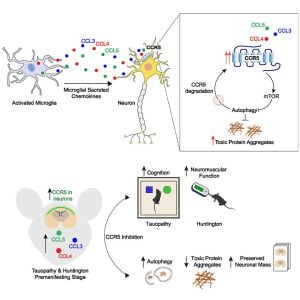
A common characteristic of neurodegenerative diseases such as Huntington’s disease and various forms of dementia is the build-up in the brain of clusters—known as aggregates—of misfolded proteins, such as huntingtin and tau. These aggregates lead to the degradation and eventual death of brain cells and the onset of symptoms.

One method that our bodies use to rid themselves of toxic materials is autophagy, or ‘self-eating,” a process whereby cells ‘eat’ the unwanted material, break it down and discard it. But this mechanism does not work properly in neurodegenerative diseases, meaning that the body is no longer able to get rid of the misfolded proteins.

In a study published today in Neuron, a team from the Cambridge Institute for Medical Research and the UK Dementia Research Institute at the University of Cambridge has identified a process that causes autophagy not to work properly in the brains of mouse models of Huntington’s disease and a form of dementia—and importantly, has identified a drug that helps restore this vital function.

The team carried out their research using mice that had been genetically-altered to develop forms of Huntington’s disease or a type of dementia characterized by the build-up of the tau protein.

Using mice, the team showed that in neurodegenerative diseases, microglia release a suite of molecules which in turn activate a switch on the surface of cells. When activated, this switch—called CCR5—impairs autophagy, and hence the ability of the brain to rid itself of the toxic proteins. These proteins then aggregate and begin to cause irreversible damage to the brain—and in fact, the toxic proteins also create a feedback loop, leading to increased activity of CCR5, enabling even faster build-up of the aggregates.

When the researchers used mice bred to ‘knock out’ the action of CCR5, they found that these mice were protected against the build-up of misfolded huntingtin and tau, leading to fewer of the toxic aggregates in the brain when compared to control mice.

This discovery has led to clues to how this build-up could in future be slowed or prevented in humans. The CCR5 switch is not just exploited by neurodegenerative diseases—it is also used by HIV as a ‘doorway’ into our cells.

The team used maraviroc to treat the Huntington’s disease mice, administering the drug for four weeks when the mice were two months old. When the researchers looked at the mice’s brains, they found a significant reduction in the number of huntingtin aggregates when compared to untreated mice.

The same effect was observed in the dementia mice. In these mice, not only did the drug reduce the amount of tau aggregates compared to untreated mice, but it also slowed down the loss of brain cells. The treated mice performed better than untreated mice at an object recognition test, suggesting that the drug slowed down memory loss.

Professor Rubinsztein added: “We’re very excited about these findings because we’ve not just found a new mechanism of how our microglia hasten neurodegeneration, we’ve also shown this can be interrupted, potentially even with an existing, safe treatment.”

“Maraviroc may not itself turn out to be the magic bullet, but it shows a possible way forward. During the development of this drug as a HIV treatment, there were a number of other candidates that failed along the way because they were not effective against HIV. We may find that one of these works effectively in humans to prevent neurodegenerative diseases.”

Read More

Challenges of Treating Chronic Pain

Challenges of Treating Chronic Pain

Chronic pain is a complex and difficult condition to treat despite the progress in neuroscience research over the last two decades. A recent overview by Ferreira and colleagues has added to the growing body of evidence on the use of medicines for pain, highlighting the limitations of current medical treatments.

Assessment of Antidepressants for Chronic Pain

In recent guidance from the UK National Institute for Health and Care Excellence, only antidepressants were found to have a favorable balance of benefits and harms for chronic primary pain. However, Ferreira and colleagues found that the evidence for their effectiveness in a wider range of chronic pain conditions was limited, with only 11 of 42 comparisons showing some level of effectiveness, none of which was of high quality. This suggests that most people living with chronic pain are unlikely to experience significant relief from antidepressant treatment.

Alternative Options for Pain Management

Group exercise, led by qualified instructors, has been shown to be effective in managing pain symptoms and has many other health and well-being benefits. In addition, non-medical services such as mobility support, debt management, and social connection can be helpful for people living with pain. Social prescribing, which refers to linking people with appropriate local support, is a promising approach, but its effectiveness is still evolving.

The Importance of Personalized Care

A strong, empathetic relationship with a care provider is crucial for successful pain management. People living with pain value time to discuss their concerns and easy access to support, and personalizing care is crucial for successful pain management. Research has traditionally focused on measures like pain scales and physical function tests, but new research should aim to understand the broader experience of living with pain.

Public Involvement in Pain Research

Public involvement in health research is crucial to ensure that pain research is meaningful and relevant to those living with pain and their clinicians. Researchers must involve people living with pain in their studies and overcome the barriers to public involvement in health research. Building new partnerships between clinicians, people living with pain, and researchers is crucial to improve care and research for chronic pain.


Chronic pain is more than just a medical condition and the limitations of current medical treatments present an opportunity to change the way we think about pain and focus on the individual experience of living with it. All stakeholders must share the responsibility of building these new partnerships to improve care and research for chronic pain.


References:

  1. Efficacy, safety, and tolerability of antidepressants for pain in adults: overview of systematic reviews. BMJ 2023; 380 doi: https://doi.org/10.1136/bmj-2022-072415 (Published 01 February 2023).  https://www.bmj.com/content/380/bmj-2022-072415
  2. Chronic pain (primary and secondary) in over 16s: assessment of all chronic pain and management of chronic primary pain .NICE guideline [NG193]. https://www.nice.org.uk/guidance/NG193
Read More

Sickle cell cure with LentiGlobin

Introduction

Sickle cell disease is a genetic disorder that affects the hemoglobin in red blood cells. It is caused by a single point mutation in the gene encoding β-globin (HBB), leading to the production of sickle hemoglobin and impaired red-cell function. Patients with sickle cell disease often have vaso-occlusive events, progressive vasculopathy, and chronic hemolytic anemia. These are associated with complications and an increased risk of early death. Current supportive treatment options can only manage the disease without halting its progression.

Background

Sickle cell disease is a debilitating condition that affects millions of people worldwide. Current supportive treatment options can only manage the disease without halting its progression. HLA-matched sibling allogeneic hematopoietic stem-cell transplantation is a potentially curative treatment option, but it is limited by the fact that only a small percentage of patients have HLA-matched donors, and there is a risk of graft-versus-host disease and graft rejection, as well as the risk of transplantation-related death. Gene therapies that use autologous stem cells may overcome these hurdles and are advancing into clinical trials.

Methods

LentiGlobin for sickle cell disease (bb1111; lovotibeglogene autotemcel, Bluebird Bio) consists of the autologous transplantation of hematopoietic stem and progenitor cells (HSPCs) transduced with the BB305 lentiviral vector encoding a modified β-globin gene. This results in the production of an antisickling hemoglobin, HbAT87Q. HbAT87Q is a modified adult hemoglobin with an amino acid substitution (threonine to glutamine at position 87) designed to sterically inhibit polymerization of sickle hemoglobin. In this ongoing phase 1-2 study, the researchers optimized the treatment process in the initial 7 patients in Group A and 2 patients in Group B with sickle cell disease. Group C was established for the pivotal evaluation of LentiGlobin for sickle cell disease, and a more stringent inclusion criterion was adopted that required a minimum of four severe vaso-occlusive events in the 24 months before enrollment.

Results

In this unprespecified interim analysis, the researchers evaluated the safety and efficacy of LentiGlobin in 35 patients enrolled in Group C. Included in this analysis was the number of severe vaso-occlusive events after LentiGlobin infusion among patients with at least four vaso-occlusive events in the 24 months before enrollment and with at least 6 months of follow-up. As of February 2021, cell collection had been initiated in 43 patients in Group C; 35 received a LentiGlobin infusion, with a median follow-up of 17.3 months (range, 3.7 to 37.6). Engraftment occurred in all 35 patients. The median total hemoglobin level increased from 8.5 g per deciliter at baseline to 11 g or more per deciliter from 6 months through 36 months after infusion. HbAT87Q contributed at least 40% of total hemoglobin and was distributed across a mean (±SD) of 85±8% of red cells. Hemolysis markers were reduced. Among the 25 patients who could be evaluated, all had resolution of severe vaso-occlusive events, as compared with a median of 3.5 events per year (range, 2.0 to 13.5) in the 24 months before enrollment. Three patients had a nonserious adverse event related or possibly related to LentiGlobin that resolved within 1 week after onset. No cases of hematologic cancer were observed


References

https://www.nejm.org/doi/full/10.1056/NEJMoa2117175

Read More

Exploring the Dangers and Promise of TikTok’s Viral #MentalHealth Videos on ADHD

The social media platform TikTok has seen a surge in the popularity of videos related to attention deficit hyperactivity disorder (ADHD) during the COVID-19 pandemic. The #ADHD channel on the platform now has 2.4 billion views and content related to the mental disorder has been shared by both individuals with no medical credentials and licensed psychiatrists and therapists. While some argue that TikTok can destigmatize mental disorders, foster community, and make research accessible to a wider audience, others caution that it can lead to self-diagnosis, overwhelm unqualified content creators with requests for help, and perpetuate misinformation about ADHD.

One of the benefits of ADHD content on TikTok is that it makes strategies for managing the disorder more accessible to those who may not have access to traditional mental health resources. Many creators on the platform share their personal experiences and research on ADHD, often without seeking financial compensation. Some licensed professionals, such as Dr. Edward Hallowell, a renowned ADHD psychiatrist, have also used the platform to provide advice and education on the disorder.

However, there are also risks associated with the proliferation of ADHD content on TikTok. Some content creators, who may have no formal training or qualifications in mental health, are being treated as experts on the disorder. This can lead to confusion and misunderstandings about ADHD, and may discourage individuals from seeking professional help. In addition, the platform’s algorithm can surface misleading or false information about ADHD, further perpetuating stigma and misinformation about the disorder.

Overall, it is important for individuals seeking information about ADHD to be cautious about the sources they rely on and to seek out qualified professionals for accurate information and support. While TikTok can be a useful resource for learning about ADHD and connecting with others who have the disorder, it should not be the sole source of information or treatment.

Read More

Blood pressure variability: a new and unique risk factor

Blood pressure variability is a new and unique factor that is gaining more and more attention in the medical community. It refers to the fluctuation of blood pressure over time, and it can be caused by a variety of factors including stress, exercise, and even the time of day.

One important aspect of blood pressure variability is that it can be measured and tracked. This can be done through the use of a blood pressure monitor, which can be worn on the wrist or upper arm and measures blood pressure at regular intervals throughout the day. By tracking blood pressure variability, individuals and their healthcare providers can get a better understanding of their overall cardiovascular health and identify potential risk factors for conditions such as hypertension and heart disease.

Research has shown that blood pressure variability is a strong predictor of future cardiovascular events, such as heart attack and stroke. In fact, studies have shown that individuals with higher levels of blood pressure variability are at an increased risk for these types of events. For example, one study found that individuals with high blood pressure variability were 63% more likely to experience a stroke compared to those with low blood pressure variability (reference: “Blood Pressure Variability and Risk of Stroke: A Meta-Analysis”, Zhang et al., Stroke, 2012). Another study found that blood pressure variability was associated with a 2.5-fold increased risk of heart attack (reference: “Blood Pressure Variability and Risk of Myocardial Infarction: A Meta-Analysis”, Song et al., American Journal of Hypertension, 2014).

So what can be done to reduce blood pressure variability and the associated risks? One effective way is through lifestyle changes, such as eating a healthy diet, exercising regularly, and reducing stress. These changes can help to lower blood pressure and reduce fluctuations over time. In some cases, medication may also be necessary to manage blood pressure and reduce variability.

It is important to note that blood pressure variability is a complex and multifaceted issue, and further research is needed to fully understand its impacts on cardiovascular health. However, what is clear is that blood pressure variability is a unique and important factor that should be taken into consideration when evaluating an individual’s overall cardiovascular health. By tracking and managing blood pressure variability, individuals can take steps to improve their heart health and reduce their risk of future cardiovascular events.

Read More